

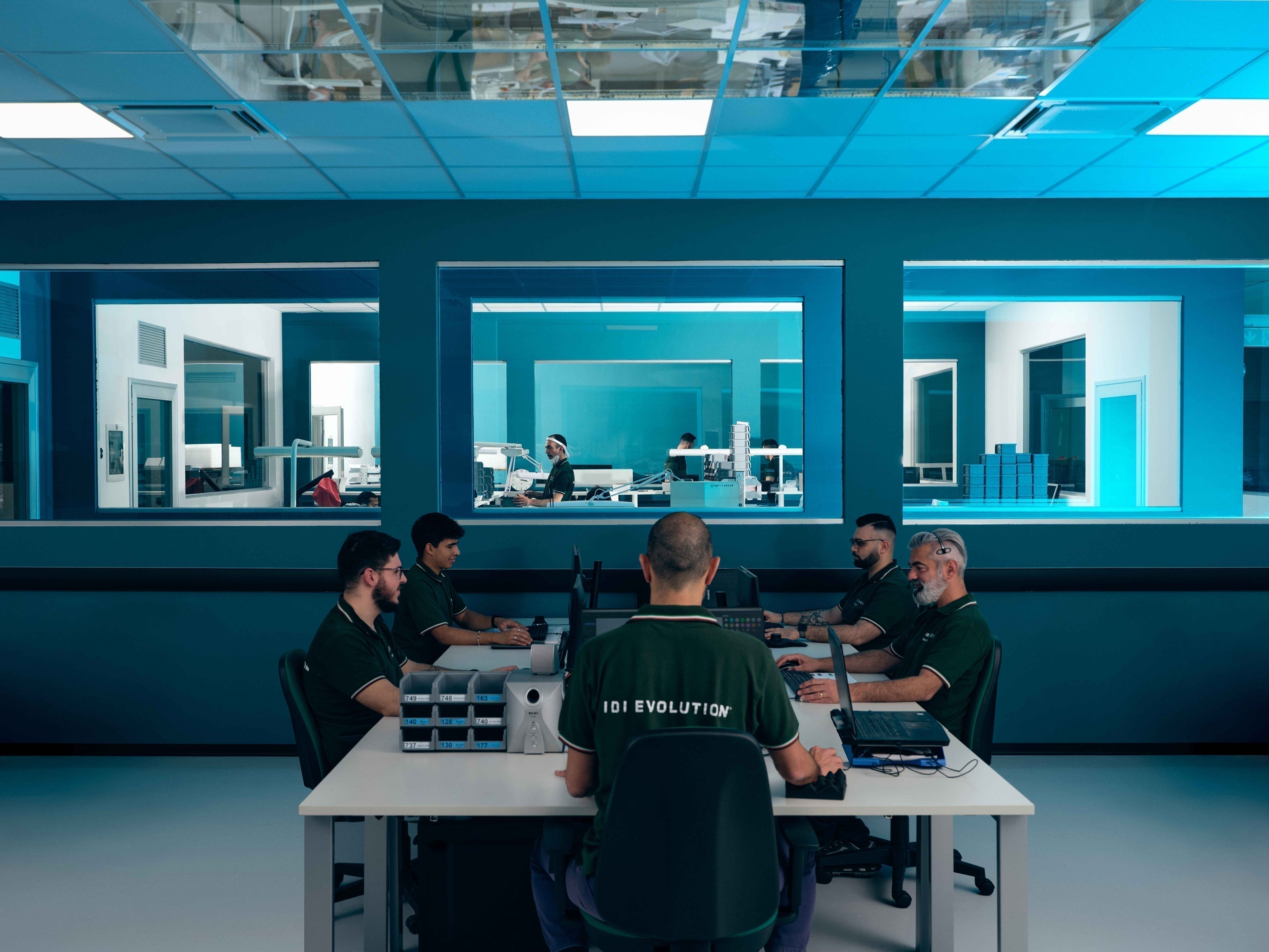
The collaboration aims to support general dentists in integrating tooth alignment into the planning of restorative treatments through a shared digital workflow between dental practice and laboratory.
Align Technology has announced a strategic collaboration in Italy with IDI Evolution, with the goal of helping general dentists integrate pre-prosthetic tooth alignment as a standard phase in restorative treatment planning.
The initiative brings together Align’s digital ecosystem — which includes the Invisalign aligner system, iTero intraoral scanners, exocad CAD/CAM software, and Vivera retainers — with IDI Evolution’s clinical and laboratory expertise. The goal is to create a simpler and more predictable digital workflow for planning and executing restorative treatments.
Pre-prosthetic alignment still underused
In daily clinical practice, tooth alignment prior to restorations is not always included in treatment plans. In many cases, clinicians proceed directly to veneers or other prosthetic solutions, often due to the perceived greater clinical complexity, time constraints, or fragmented workflows.
Through this collaboration, the two companies aim to offer a solution that enables early integration of tooth alignment tailored to restorative objectives, simplifying the digital management of the treatment.
The laboratory’s role in the digital workflow
In the proposed model, the CAD-CAM IDI Makers laboratory — part of IDI Evolution — plays a central role in bridging the clinic and technology. The laboratory translates the digital plan into clinical solutions consistent with the prosthetic and functional goals of the treatment, acting as a connecting hub between the dental practice and digital systems.
Decisions related to restorative strategy and its execution remain the responsibility of the treating clinician and the laboratory partners involved in the treatment.
An integrated process from diagnostics to restoration
The collaboration seeks to align different phases of the treatment pathway — digital data acquisition, diagnostics, treatment planning, alignment therapy, monitoring, and maintenance — within a single coordinated process.
According to the companies involved, this approach can help dentists plan restorations more precisely, preserve more natural tooth structure, and reduce the need for invasive procedures, while also enhancing patient understanding of the treatment plan.
The goal: more integrated restorative workflows
The collaboration is specifically designed for general dentists and promotes a model in which tooth alignment becomes an integral part of modern restorative workflows rather than a separate discipline.
According to representatives of both companies, the project aims to strengthen cooperation between dental practices and laboratories through an end-to-end digital workflow focused on the final prosthetic outcome, with the goal of improving treatment predictability and clinical results.

Share: