

A person walks into the dentist's office wanting to improve their smile. Thanks to a guided, standardized and complete diagnosis, they discover in time pathologies that would otherwise have been diagnosed too late.
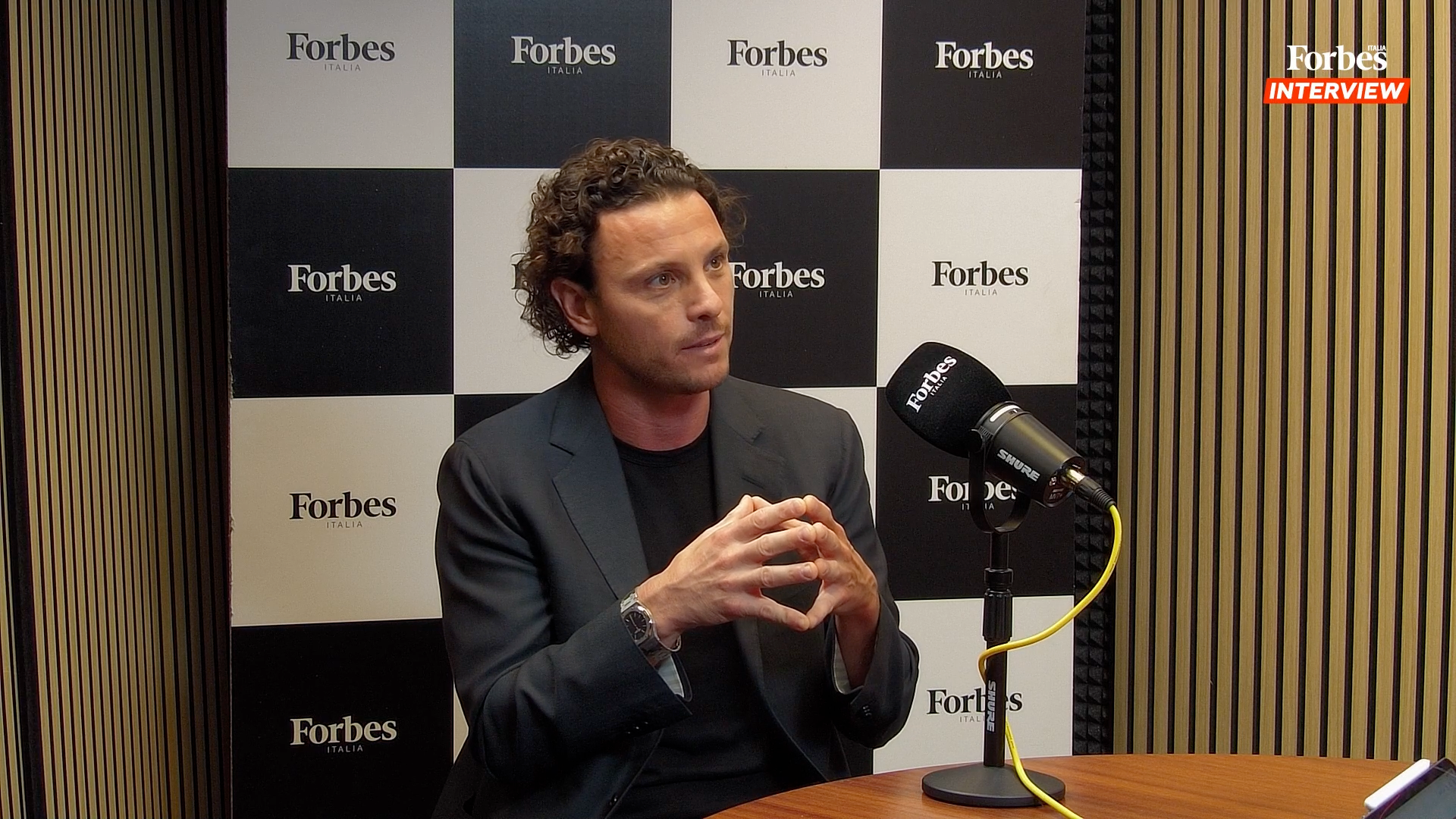
This is the image our CEO used to describe to Antonio Ravenna, in the Forbes Italia vodcast, what IDI EVOLUTION believes will be the next great revolution in dentistry.
Not necessarily a new technology or a new device. But standardizing and making mandatory the use of technology to ensure patients, everywhere, an adequate standard of diagnosis and care.
During the interview we shared a precise vision: to use digital tools, data and artificial intelligence not to replace the clinician, but to help them make better decisions, build more complete diagnostic pathways and turn every visit into a real opportunity for prevention.
The technology already exists. Now it has to make the difference.
Over the last twenty-five years, dentistry has undergone an extraordinary transformation. Intraoral scanners, digital radiology, 3D design, clinical photography, advanced software and artificial intelligence have changed the way practices work.
But the real innovation does not consist in introducing another technology. It consists in using and making the ones we already have communicate with each other.
Because the value of data lies not in accumulating it, but in turning it into more accurate diagnoses, more predictable treatments and more informed clinical decisions.
Technology should work in the background, leaving the professional more time for what really matters: observing, reasoning and caring for the patient.
The next revolution will be diagnosis
During the interview we shared a conviction that guides IDI EVOLUTION's work: the next evolution of dentistry will come through the quality of diagnosis.
Today we already have advanced tools and well-established scientific protocols. What often changes is the process by which this information is collected, integrated and turned into clinical decisions.
That's why we envision a dentistry built on guided, documented and certified diagnostic pathways, capable of accompanying the professional through every stage of the visit.
This does not mean standardizing clinical judgment or entrusting diagnosis to an algorithm.
It means making the process more complete, more transparent and more repeatable.
Every visit should follow a structured pathway, systematically gathering medical history, images, scans, clinical evaluations and all the elements needed to build a solid diagnosis.
The goal is to certify the path that leads to that treatment plan: what information was collected, what evaluations were carried out, what risks were analyzed and how the clinical decision was reached.
Because a better diagnosis is born, first of all, from a better process.
From desire to prevention
One of the most interesting moments in the interview concerns the changing relationship between people and dentists.
More and more patients come into the practice to improve their smile. A phenomenon that is often read simply as the growth of aesthetic dentistry.
We see it as an extraordinary opportunity for prevention.
Someone who comes in for an aesthetic treatment gives the clinician the chance to carry out a complete examination and detect early on cavities, periodontal disease or lesions of the oral cavity that, otherwise, might only be diagnosed once significant symptoms appear.
This is where the concept of the diagnostic pathway takes on its deepest meaning.
The visit should not be limited to producing a quote.
It should become a documented snapshot of the patient's state of health and the starting point of a care pathway built on prevention.
A vision that looks beyond technology
During the interview, the principle guiding every IDI EVOLUTION project came through clearly.
Technology is not the goal. It is the tool that allows professionals to work better.
Scanners, software and artificial intelligence gain value only when they help the clinician detect a pathology earlier, reduce the risk of diagnostic omissions and build an increasingly precise and personalized care pathway.
That's why we believe the next great healthcare revolution could stem from an apparently simple gesture.
A person walks into the dentist's office to improve their smile and, thanks to a complete, guided, standardized and documented visit, discovers in time something that would otherwise have been diagnosed too late.
If this happens more and more often, we will not simply have innovated dentistry.
We will have turned every visit into a concrete opportunity for prevention.
Watch the full interview
In the complete video, our CEO explores these topics in depth, sharing IDI EVOLUTION's vision on the present and future of dentistry and explaining why the next great revolution will not be a new technology, but an increasingly complete, guided and prevention-oriented diagnosis.
Share: