


The Forbes Innovation Summit, Forbes Italia's traveling summit on digital transformation, cybersecurity, and Physical AI, made a stop in Rome at the Lanterna on via Tomacelli. Four round tables, moderated by journalist Dario D’Elia, brought together institutions and businesses to discuss how to turn innovation into organization and position Italy as a technology hub by 2030.
The four areas were artificial intelligence, cybersecurity, industry and its supply chains, and research.
Research and business: when a patent becomes a product
The fourth table brought together Claudia Pingue, senior partner and head of Cdp Venture Capital's technology transfer fund; Stefano Luperi, CEO of Rina; Davide Masera, CEO of Masera Engineering Group; Massimiliano Rossi, head of strategy and marketing at Idi Evolution; and Chiara Marinelli, business support director at Coloplast.
Cogit AI's research and business index, which measures how consumers rate patented products in terms of trust, quality, value, and preference, scored 63.9 out of 100, a "solid" result: perceived reliability was the strong point (71.0), while value for money was the weak point (59.25).
Claudia Pingue outlined Cdp Venture Capital's work in technology transfer through investments in startups, agreements with the research community, and support for industrialization. She highlighted Italy's lag in investment compared to France, Spain, and Germany, which invest 3 to 10 times more. Closing the gap requires both public and private capital, as well as viewing venture capital as an "industrial policy tool."
Stefano Luperi presented the Idra project in Castel Romano, an experimental hydrogen mini-steel plant involving 270 people and providing businesses and research centers with a shared platform to test new technologies. A model that reduces innovation risks, especially given the still-high costs of green hydrogen.
Davide Masera highlighted the need to innovate the civil engineering sector by moving beyond a traditional approach and focusing on cross-disciplinary expertise, including in the fields of climate and water. His company invests 6–7% in research and has collaborated with the Polytechnic University of Turin on six doctoral projects, also developing an algorithm to detect damage to the supports of bridges and viaducts.
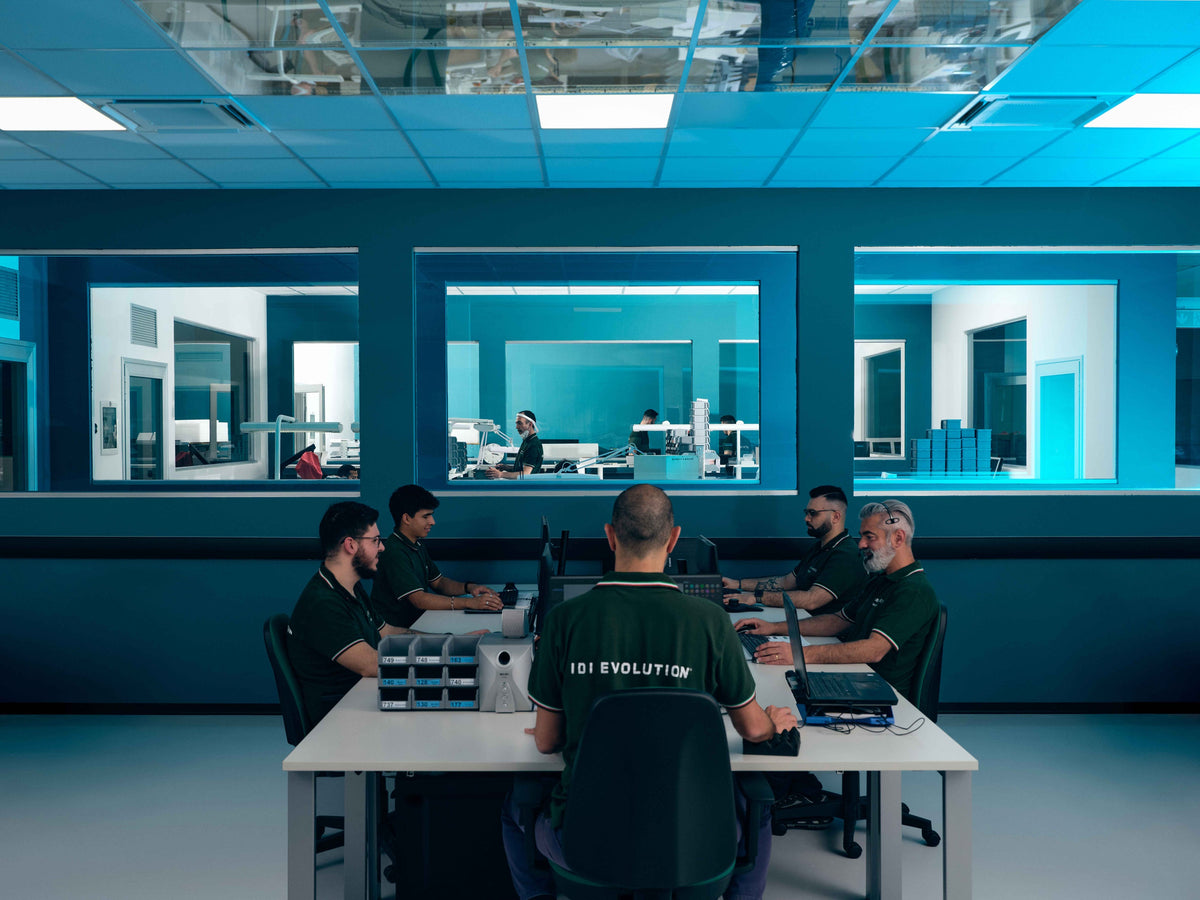
Massimiliano Rossi recalled Idi Evolution's ten patents and its research investments, which amount to 6% of revenue. He stressed that patenting an idea does not guarantee its success: it requires commitment, execution capabilities, and confidence in one's vision.
Chiara Marinelli explained that innovation at Coloplast always begins by listening to patients and healthcare professionals, as even small improvements can meet important needs. An approach born from the company's very history, founded to find a solution to a patient's concrete need.

Share: